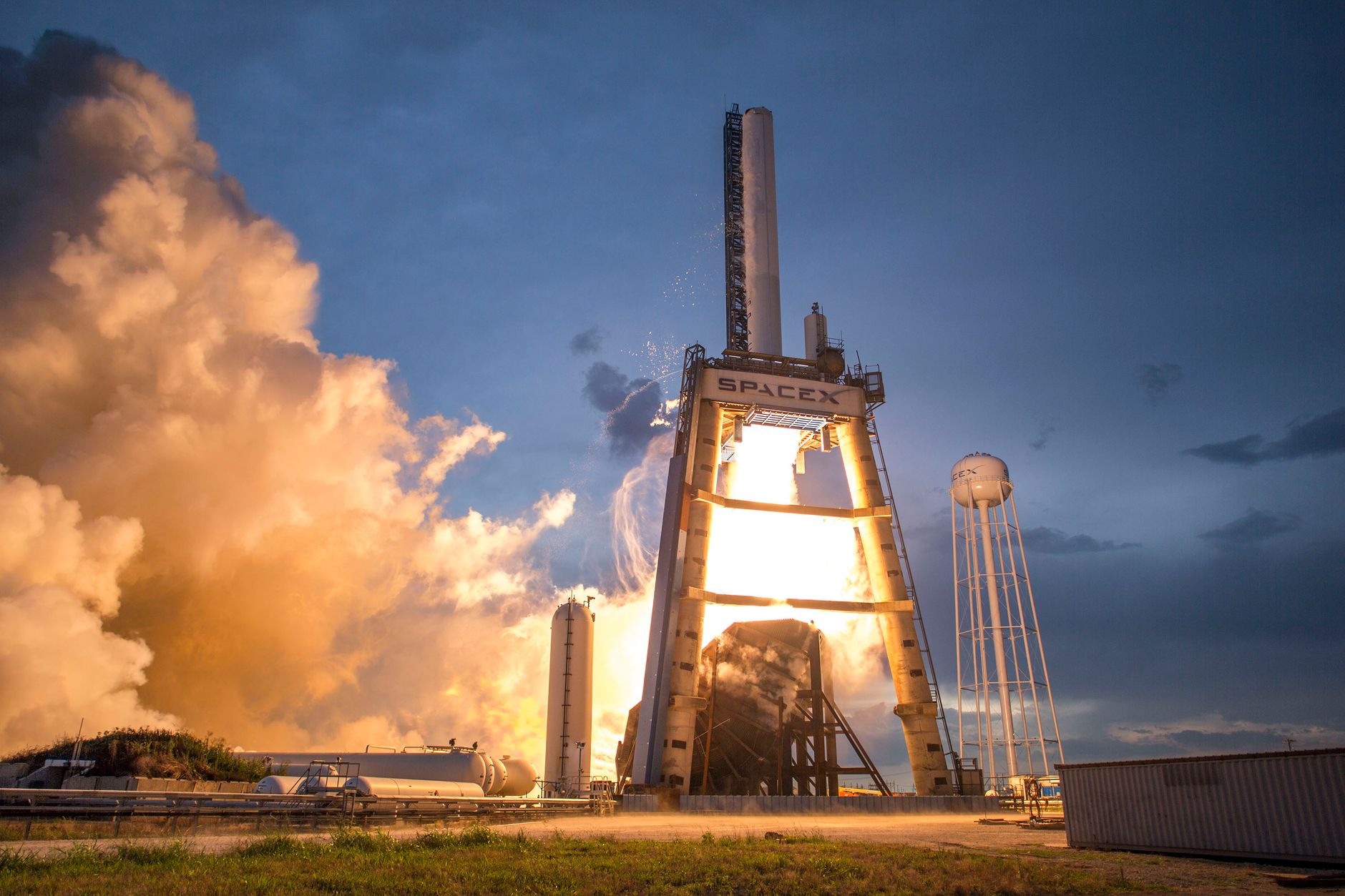
The SpaceX rocket launch has captured global attention after the world’s largest rocket lost its booster in a fiery crash. This incident raises questions about the future of space exploration.
Overview of SpaceX’s Latest Launch
SpaceX has once again captured the world’s attention with its latest rocket launch, featuring the impressive Starship rocket, which is noted as the world’s largest rocket. This ambitious mission was aimed at taking significant steps toward future space exploration and advancing the company’s goals of sending humans to Mars. However, the launch did not go as planned.
During the ascent, the rocket experienced multiple issues that ultimately led to the loss of its first booster stage in a dramatic and fiery crash shortly after liftoff. Despite the setback, SpaceX officials remain optimistic about the data collected during the flight and the lessons learned that will help improve future missions.
As the company continues to innovate in the aerospace industry, this incident serves as a reminder of the inherent risks involved in space travel. The team is already analyzing the flight’s telemetry and video footage to understand precisely what went wrong.
Moving forward, SpaceX plans to conduct further tests and launches to refine their technologies and achieve their ambitious vision for space travel. This latest setback may have created challenges, but it also highlights the relentless spirit of exploration that drives SpaceX and its commitment to overcoming obstacles in the pursuit of space innovation.
What Went Wrong in the Launch
The recent SpaceX rocket launch aimed to showcase the capabilities of the world’s largest rocket, but it ended in a dramatic failure that raised numerous questions. As the rocket ascended, it encountered several issues that ultimately led to a catastrophic crash.
Experts have pinpointed a few critical factors that contributed to the failure:
- Engine Malfunction: Shortly after liftoff, multiple engines experienced a shutdown, which significantly reduced thrust and stability.
- Structural Integrity: Preliminary reports suggest that some components may have failed under the immense stress of launch, impacting the rocket’s overall performance.
- Guidance System Errors: Issues with the rocket’s navigation system may have caused it to deviate from its intended flight path, complicating recovery efforts.
As the situation unfolded, the SpaceX team attempted to regain control, but the rocket ultimately lost its booster in a fiery crash. This incident has prompted a review of safety protocols and engineering practices.
Despite the setback, SpaceX remains committed to addressing the challenges faced during the launch and ensuring that future missions are successful. The company is already analyzing data from the event to prevent similar occurrences in upcoming SpaceX rocket launches.
Impact on Future Space Missions
The recent SpaceX rocket launch has raised concerns about the future of commercial space missions. Despite the setback, experts believe that this incident could serve as a catalyst for improvements in design and safety protocols. The failure of the booster during the launch may have immediate repercussions, but it also presents an opportunity for learning and innovation.
Key points regarding the impact on future missions include:
- Increased Scrutiny: Regulatory bodies are likely to impose stricter guidelines following the crash, emphasizing the need for rigorous testing and validation before future launches.
- Engineering Improvements: SpaceX engineers will analyze the data from the failed launch to enhance the reliability of their rockets, which may lead to advancements in propulsion systems and structural integrity.
- Investor Confidence: While a fiery crash may initially shake investor confidence, a transparent approach to addressing the failure could ultimately strengthen support for future projects.
- Public Perception: The incident may shift public opinion on the safety of space travel, necessitating improved communication strategies from SpaceX to reassure the public about the safety measures in place.
- Long-term Goals: Despite the setback, SpaceX remains committed to its long-term goal of making space travel accessible, and this launch experience will inform their future endeavors.
Reactions from the Space Community
In the aftermath of the recent SpaceX rocket launch, reactions from the space community have been varied, highlighting both disappointment and optimism. Industry experts and enthusiasts have taken to social media to express their thoughts on the failed mission.
- Disappointment in the Launch: Many were shocked by the unexpected booster failure during the launch sequence. Dr. Emily Carter, a leading aerospace engineer, stated, “It’s disheartening to see such a technological marvel face such a setback. However, failures in this industry are often stepping stones to future success.”
- Optimism for Recovery: On the other hand, several experts remained hopeful. Tom Johnson, a veteran space analyst, remarked, “SpaceX has a proven track record of learning from its mistakes. This incident will likely lead to improvements in their next launch.”
- Community Support: The aerospace community has rallied around SpaceX, emphasizing the importance of innovation and risk-taking in space exploration. Jane Liu, a space policy advocate, noted, “Every launch, successful or not, contributes to the collective knowledge that propels us forward.”
As the dust settles from this fiery crash, the consensus suggests that while setbacks are challenging, they ultimately pave the way for advancements in future space missions.
Technical Details of the Rocket
The recent SpaceX rocket launch showcased the company’s ambitious engineering, featuring the world’s largest rocket designed for deep space missions. The rocket, known as Starship, stands at an impressive height and is equipped with numerous advanced technologies aimed at enhancing its performance and safety.
One of the key technical details includes the rocket’s multiple engines, which provide substantial thrust necessary for overcoming Earth’s gravity. These engines utilize a unique combination of liquid oxygen and rocket-grade kerosene, optimizing fuel efficiency while maximizing power output. However, during this particular launch, an unexpected anomaly led to the booster losing control.
SpaceX engineers had incorporated a state-of-the-art guidance system intended to ensure a stable ascent. Unfortunately, a malfunction in the system resulted in a rapid descent that culminated in a fiery crash shortly after liftoff. This incident has raised questions about the robustness of the rocket’s design and operational protocols.
Additionally, the rocket’s structural integrity was put to the test due to the extreme aerodynamic forces experienced during its ascent. The company aims to analyze the flight data meticulously to identify any weaknesses and implement necessary improvements before the next SpaceX rocket launch. The lessons learned from this event will be crucial in advancing future missions.
Comparing SpaceX to Other Launch Providers
As the space race intensifies, comparing SpaceX to other launch providers has become increasingly relevant, especially in light of the recent SpaceX rocket launch that ended in a fiery crash. Several companies are competing for dominance in the commercial space sector, including traditional aerospace giants and newer startups.
NASA, with its long history of successful missions, remains a major player. Unlike SpaceX, which often embraces rapid innovation and risk-taking, NASA tends to follow a more cautious approach, emphasizing thorough testing and validation of its launch vehicles.
Blue Origin, founded by Jeff Bezos, focuses on suborbital flights and developing reusable rocket technology. While its missions have generally been successful, they differ significantly from SpaceX’s ambitious goals of reaching Mars and establishing a human presence beyond Earth.
Rocket Lab, a smaller launch provider, specializes in small satellite deployment. Its Electron rocket has achieved a series of successful launches, but it operates in a different niche compared to SpaceX’s larger payload capabilities.
Despite the current setback, SpaceX’s commitment to innovation has set it apart from competitors. The recent SpaceX rocket launch serves as a reminder of the inherent risks in space exploration, but also of the potential for groundbreaking advancements in the industry.
Lessons Learned from the Crash
The recent SpaceX rocket launch, despite its ambitious goals, ended in a fiery crash that offered several critical lessons for the aerospace industry. As engineers and experts analyze the incident, they have identified key areas for improvement.
- Enhanced Safety Protocols: Safety measures must be revisited to ensure that all potential failure points are addressed. Implementing more rigorous testing procedures could prevent future mishaps.
- Data Analysis and Simulation: Utilizing advanced simulation technologies allows for better prediction of rocket behavior under various conditions. This crash emphasizes the need for comprehensive data analysis pre-launch.
- Collaboration with Regulatory Bodies: Engaging more closely with regulatory agencies can help align launch procedures with safety standards, fostering a more secure environment for all launches.
- Public Communication: Transparent communication with the public regarding the challenges and risks of space exploration is vital. This fosters trust and understanding of the complexities involved in a SpaceX rocket launch.
- Iterative Design Process: Adopting an iterative approach to design and testing can lead to improvements in technology and performance, minimizing the chances of failure.
Ultimately, these lessons learned from the crash will guide SpaceX and the broader space industry towards safer and more successful missions in the future.
Future Plans for SpaceX
Despite the recent setback, SpaceX remains committed to advancing its ambitious plans for future rocket launches. The company is actively working on several projects aimed at enhancing the reliability and effectiveness of its space missions.
Key initiatives include:
- Improved Rocket Designs: SpaceX engineers are focusing on refining the Falcon and Starship rockets to ensure better performance and safety, integrating lessons learned from the recent launch failure.
- Increased Launch Frequency: With a robust schedule ahead, SpaceX is preparing to ramp up its launch cadence, aiming for multiple missions each month as demand for satellite deployments and crewed missions grows.
- Collaborations with NASA: The company is deepening its partnership with NASA, particularly in the Artemis program, which aims to return humans to the Moon by the mid-2020s.
- Focus on Starlink Expansion: SpaceX is also working to enhance its Starlink satellite internet service, with plans to launch additional satellites to improve global coverage and connectivity.
As SpaceX looks to the future, its resolve to innovate and learn from challenges underscores its position as a leader in the aerospace industry. The next SpaceX rocket launch will be pivotal in demonstrating the company’s resilience and commitment to pushing the boundaries of space exploration.
The investigation into the SpaceX rocket launch revealed several critical failures in the design and execution phases. As experts analyzed the footage, they highlighted how the SpaceX rocket launch could have been prevented with better safety protocols.
Photo by SpaceX on Pexels