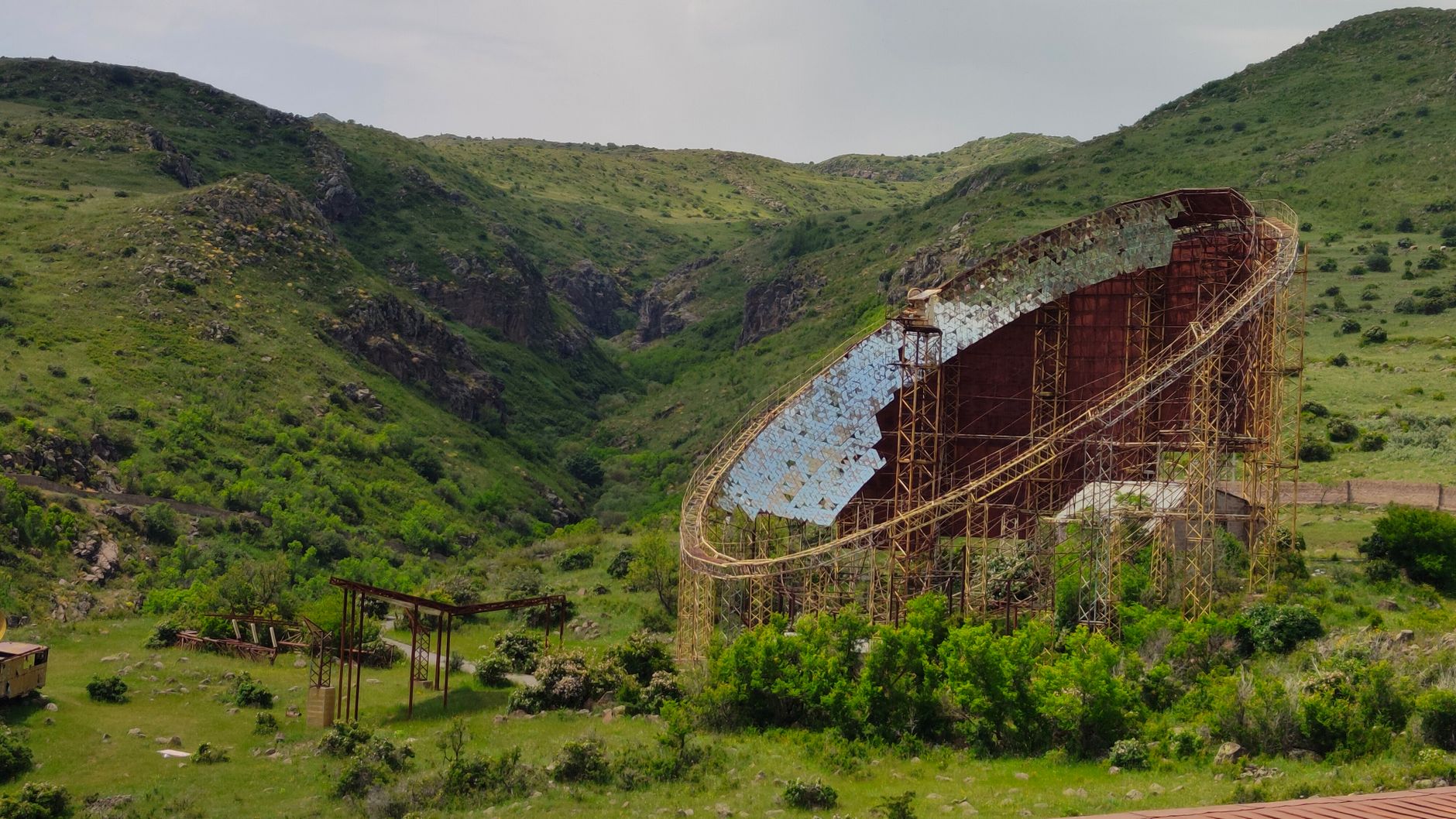
The Dragonball structure discovery has captivated scientists exploring the South China Sea. This unusual formation provides new insights into geological processes beneath the ocean.
What is the Dragonball Structure?
The Dragonball structure is a remarkable geological formation recently discovered in the depths of the South China Sea. This unique structure resembles a giant sphere, leading scientists to nickname it the “Dragonball” due to its round shape and intriguing features.
Researchers believe the Dragonball structure is composed of various minerals and materials, which may provide insights into the geological history of the region. Its formation is thought to be the result of a combination of natural processes, including volcanic activity and sediment deposition.
Some key characteristics of the Dragonball structure include:
- Size: The diameter of the structure measures several meters across.
- Composition: It contains a mix of igneous and sedimentary rocks.
- Location: Situated at a significant depth, making it challenging to study.
This discovery could enhance our understanding of underwater geology and the dynamics of the South China Sea.
Significance of the Discovery
The recent discovery of the Dragonball structure in the South China Sea has significant implications for various fields of study. This unique geological formation could enhance our understanding of underwater ecosystems and plate tectonics. Researchers are particularly excited about the potential for discovering new species and understanding how such structures contribute to biodiversity.
Moreover, the Dragonball structure discovery may provide insights into the ancient climatic conditions of the region, revealing information about past oceanic processes. The findings can also aid in resource management, as these formations often correlate with valuable mineral deposits.
In summary, the significance of the Dragonball structure extends beyond its intriguing shape; it opens new avenues for research and exploration in marine science and geology.
How Was It Discovered?
The discovery of the Dragonball structure was a remarkable achievement, made possible through advanced underwater exploration techniques. A team of marine scientists utilized cutting-edge remotely operated vehicles (ROVs) equipped with high-definition cameras to survey the ocean floor in the South China Sea.
During their expedition, the researchers stumbled upon the unusual spherical formations that resembled dragonballs, sparking immediate interest. The ROVs captured detailed images and videos of the structures, allowing scientists to analyze their composition and characteristics in real-time.
Furthermore, the team employed sonar mapping to create a 3D representation of the surrounding area, providing invaluable data about the geological context of the Dragonball structure discovery. This innovative approach not only unveiled the mysterious formations but also opened doors to further exploration of the ocean’s depths.
Such advancements highlight the potential for greater understanding of underwater ecosystems.
Implications for Marine Science
The recent discovery of the Dragonball structure in the South China Sea has profound implications for marine science. Researchers believe this unique formation can provide valuable insights into the geological processes that shape our ocean floors.
Scientists are particularly excited about the possibility of understanding the interactions between tectonic activity and oceanic ecosystems. The Dragonball structure may serve as a natural laboratory for studying how marine life adapts to unusual habitats.
Moreover, the discovery can enhance our knowledge of mineral deposits, potentially influencing future resource management. As scientists continue to investigate the Dragonball structure, they aim to gather data that could lead to new conservation efforts and sustainable practices in marine environments.
Overall, the implications of the Dragonball structure discovery extend beyond mere curiosity, paving the way for advancements in marine science and environmental stewardship.
Future Research Directions
As researchers continue to analyze the Dragonball structure discovery, several future research directions have been proposed to deepen our understanding of this unique geological formation. Scientists aim to:
- Investigate the geological origins of the Dragonball structure to better understand its formation and its relationship with surrounding seafloor features.
- Conduct biodiversity assessments to explore the marine life associated with the structure, potentially uncovering new species.
- Study the chemical composition of the surrounding environment, which may provide insights into the ecological impacts of such formations.
- Monitor changes over time, assessing how the structure interacts with ocean currents and climate change.
These initiatives could significantly enhance our knowledge of marine geosciences and promote conservation efforts in the region.
Expert Opinions on the Findings
Experts in marine geology and oceanography have expressed their excitement over the recent Dragonball structure discovery in the South China Sea. Dr. Emily Chen, a leading marine biologist, stated, “This finding could revolutionize our understanding of underwater formations and their ecological roles.”
Dr. Raj Patel, a geologist, emphasized the potential for new species to be identified in such unique habitats. “The Dragonball structure may serve as an important refuge for marine life, which could lead to significant biodiversity insights,” he explained.
Furthermore, Dr. Lisa Wong, an oceanographer, mentioned the implications for climate studies. “Understanding how these structures interact with ocean currents could provide clues about climate change impacts,” she noted. The enthusiasm among scientists highlights the importance of continued research in this area.
- Potential for new species discovery
- Insights into ecological roles
- Impacts on climate studies
The recent Dragonball structure discovery has sparked intense interest among marine archaeologists and enthusiasts alike. Researchers are eager to explore the implications of the Dragonball structure discovery on our understanding of ancient civilizations in the region.
Photo by Alexander Gluschenko on Pexels