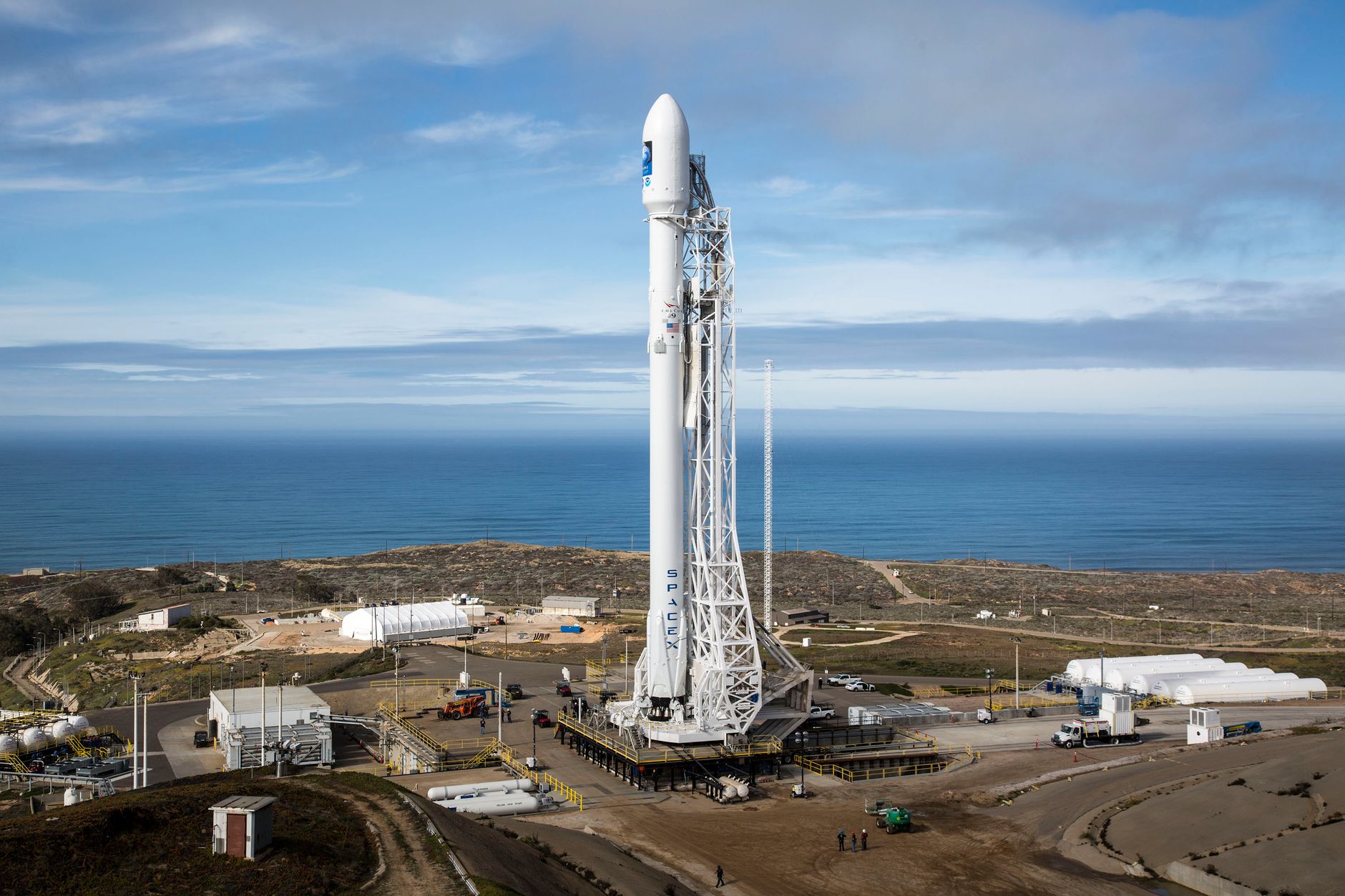
The SpaceX Falcon 9 mission has successfully deployed 21 satellites for the US military, showcasing the company’s capabilities in space logistics.
Overview of the SpaceX Falcon 9 mission
The recent SpaceX Falcon 9 mission marked a significant achievement for the U.S. military, successfully deploying 21 satellites as part of the fourth SDA Tranche 1 mission. This mission underscores SpaceX’s role as a reliable launch provider for defense purposes, showcasing the capabilities of the Falcon 9 rocket.
With its proven track record, the Falcon 9 has become an essential asset for the U.S. Space Development Agency. The satellites launched are designed to enhance global surveillance and improve communication for military operations. The ability to deploy multiple satellites in one mission demonstrates the efficiency and versatility of the Falcon 9 system.
The mission commenced from the Kennedy Space Center in Florida, where the Falcon 9 lifted off flawlessly, continuing SpaceX’s legacy of successful spaceflight. The launch not only signifies advancements in military technology but also highlights the growing partnership between private aerospace companies and government defense agencies.
As the demand for reliable satellite services increases, the SpaceX Falcon 9 mission proves to be a cornerstone in the future of military space operations, paving the way for further innovations and collaborations.
Significance of the SDA Tranche 1 program
The significance of the SDA Tranche 1 program lies in its role in enhancing the United States’ military satellite capabilities. The SpaceX Falcon 9 mission has emerged as a vital component in this initiative, successfully deploying a total of 21 satellites designed to improve the nation’s space-based communications and surveillance systems.
This program is part of a broader effort to establish a resilient and responsive satellite architecture that can adapt to the evolving demands of modern warfare. The integration of these satellites is expected to bolster the military’s ability to collect, analyze, and disseminate critical information, thereby increasing operational efficiency and effectiveness.
Additionally, the SDA Tranche 1 program represents a shift towards a more collaborative approach in defense and space operations. By leveraging commercial partnerships, such as the collaboration with SpaceX, the military aims to reduce costs while accelerating the deployment of cutting-edge technologies.
As the SpaceX Falcon 9 mission continues to demonstrate consistent reliability and efficiency, it solidifies its position as a trusted launch vehicle for the U.S. military, paving the way for future innovations in defense space initiatives.
Details on the 21 satellites deployed
The recent SpaceX Falcon 9 mission successfully deployed a total of 21 satellites, marking a significant achievement for the US military’s strategic objectives. This deployment was part of the fourth SDA Tranche 1 mission, which aims to enhance the nation’s capabilities in space.
The satellites launched during this mission are designed to support a variety of military applications, including:
- Enhanced communication: Improving data transfer between military units.
- Surveillance: Providing real-time intelligence to better inform tactical decisions.
- Navigation: Increasing the accuracy of positioning systems for military operations.
- Missile detection: Offering advanced monitoring of potential threats from adversaries.
Each satellite plays a crucial role in the broader framework of the Space Development Agency’s efforts to create a resilient space architecture. The successful deployment of these 21 satellites underscores the reliability of the SpaceX Falcon 9 mission, reinforcing its reputation as a proven launch vehicle for the US military. The mission not only demonstrates technological prowess but also emphasizes the growing importance of space in national defense strategies.
Impact of SpaceX on military operations
The recent SpaceX Falcon 9 mission has significantly impacted military operations, showcasing the growing reliance of the U.S. military on commercial spaceflight capabilities. By successfully deploying 21 satellites as part of the SDA Tranche 1 program, the Falcon 9 has demonstrated its reliability and efficiency in meeting the demands of national security.
The integration of these satellites into military operations enhances communication, surveillance, and data collection, which are crucial for modern warfare. The deployment allows for improved satellite connectivity that can adapt to rapidly changing battlefield conditions. This capability not only strengthens situational awareness but also facilitates quicker decision-making processes for military leaders.
Furthermore, the collaboration between SpaceX and the Department of Defense highlights a shift towards utilizing commercial partnerships for national defense. This trend is expected to reduce costs and increase the pace of technological advancements in military applications.
As the U.S. military continues to embrace innovative solutions, the success of the SpaceX Falcon 9 mission could pave the way for future collaborations, potentially transforming how military operations are conducted in the era of space-based technologies.
Future missions planned by SpaceX
As SpaceX continues to solidify its role as a key player in military operations, several future missions are already on the horizon. The success of the SpaceX Falcon 9 mission in deploying 21 satellites for the U.S. military has paved the way for more ambitious projects.
The upcoming missions are expected to focus on:
- Increased satellite deployments: SpaceX aims to launch more satellites to enhance communication and surveillance capabilities for the Department of Defense.
- Partnerships with other agencies: Collaborations with NASA and private enterprises are anticipated to expand the scope of future missions.
- Technological advancements: Incorporating cutting-edge technologies to improve payload capacity and mission efficiency is a top priority.
- Sustainability initiatives: Future missions may also focus on reducing space debris and ensuring the longevity of satellite operations.
With the Falcon 9 rocket’s proven reliability, the U.S. military can expect continued support for its strategic goals. As SpaceX prepares for these future missions, the impact of its innovative approaches will likely redefine military logistics and operations in space.
Challenges faced during the launch
The recent SpaceX Falcon 9 mission faced several significant challenges that tested the resilience and capabilities of the launch team. First, inclement weather conditions posed a potential risk to the scheduled launch time. High winds and poor visibility threatened to delay the deployment of the 21 satellites, which were crucial for the US military’s objectives.
Additionally, last-minute technical checks revealed minor issues with the rocket’s systems. Engineers worked diligently to ensure that all components were functioning optimally, as any failure could jeopardize the mission’s success. The team implemented thorough diagnostic procedures to address these concerns without compromising the launch timeline.
Moreover, the logistics of coordinating with various military and governmental agencies added another layer of complexity. The launch required meticulous planning and communication to align the interests of all stakeholders involved, ensuring that the mission objectives were met efficiently.
Despite these challenges, the SpaceX Falcon 9 mission ultimately succeeded, showcasing the company’s ability to adapt and respond to difficulties in real-time. This resilience not only highlights the reliability of the Falcon 9 but also reinforces its role as a preferred launch vehicle for the US military.
Technological advancements in Falcon 9
The SpaceX Falcon 9 mission has demonstrated significant technological advancements that contribute to its status as one of the most reliable launch systems for the U.S. military. These innovations not only enhance launch capabilities but also ensure the safety and efficiency of deploying critical satellite infrastructure.
Key advancements include:
- Reusable Rocket Technology: The Falcon 9’s first stage can land back on Earth and be refurbished for future missions, drastically reducing costs and turnaround times.
- Increased Payload Capacity: The Falcon 9 can carry larger and heavier payloads, accommodating a variety of military satellite configurations.
- Enhanced Reliability: With a proven track record of successful launches, the Falcon 9 has gained the confidence of military leaders, ensuring crucial satellite capabilities remain operational.
- Streamlined Launch Processes: SpaceX has optimized its launch protocols, allowing for quicker preparations and launches, which is vital for time-sensitive military operations.
These advancements firmly establish the SpaceX Falcon 9 mission as a leading choice for military satellite deployments, ensuring that the U.S. maintains its strategic edge in space.
Expert opinions on the mission’s success
Experts have widely praised the recent SpaceX Falcon 9 mission, highlighting its reliability and efficiency in delivering critical payloads for the US military. According to Dr. Emily Carter, a leading aerospace analyst, “This mission is a testament to SpaceX’s commitment to excellence and innovation in space launch services.”
Another prominent voice, Colonel James Thompson, remarked, “The successful deployment of 21 satellites not only strengthens our military capabilities but also sets a benchmark for future collaborations between private companies and defense agencies.”
The Falcon 9’s proven track record was emphasized by Dr. Sarah Lee, who stated, “With each launch, SpaceX is redefining the standards for military missions. Their ability to execute complex deployments with precision is unparalleled.”
Moreover, industry insiders believe that the continued success of the Falcon 9 missions will likely lead to increased investments in commercial space ventures. “The reliability demonstrated by SpaceX will encourage more partnerships within the defense sector,” added aerospace consultant Mark Jensen.
Overall, the expert consensus is that the SpaceX Falcon 9 mission has not only showcased robust performance but also paved the way for future advancements in military space operations.
Photo by SpaceX on Pexels