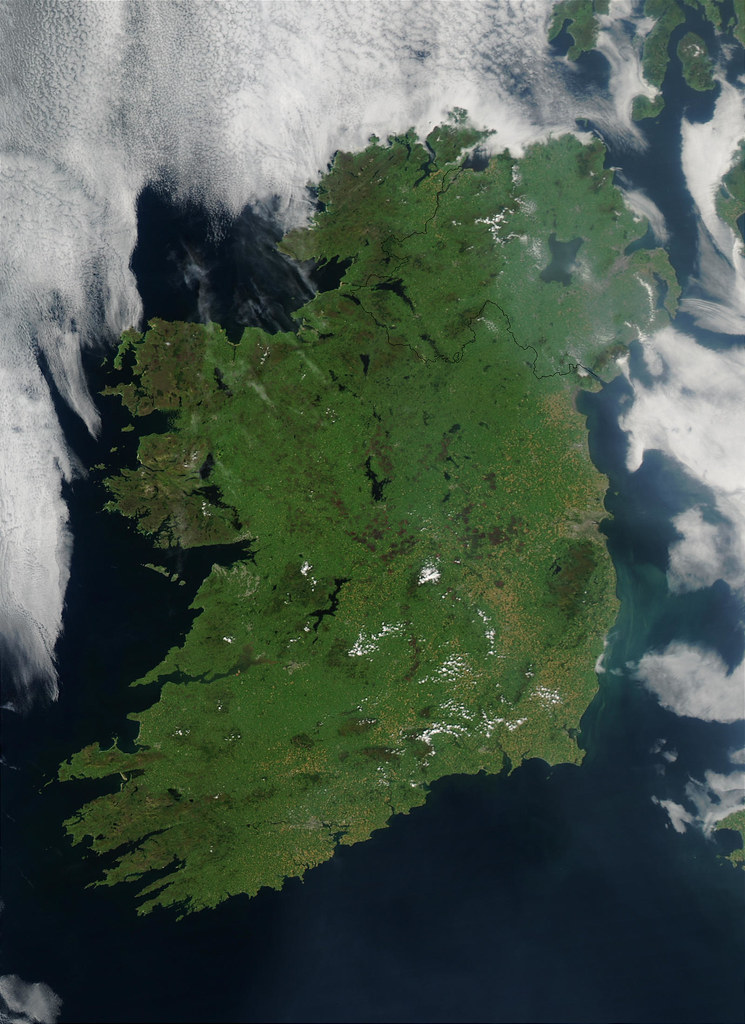
NASA spacecraft fall is a pressing concern as a 3,200-pound craft could descend to Earth at any moment. This situation raises questions about safety and preparedness.
What to Expect from the NASA Spacecraft Fall
As the anticipation builds surrounding the potential fall of the 3,200-pound NASA spacecraft, experts emphasize several key factors to consider. The spacecraft, which has been orbiting Earth, is expected to re-enter the atmosphere soon, raising questions about the risks associated with such an event.
While the chances of debris hitting populated areas are relatively low, the unpredictability of re-entry poses challenges. Key points to understand include:
- Re-entry trajectory: The spacecraft’s path is influenced by atmospheric conditions, making precise predictions difficult.
- Debris field: Should the spacecraft disintegrate, debris could scatter over a wide area, with some pieces potentially reaching the ground.
- Safety measures: NASA has protocols in place for monitoring the situation and informing the public of any immediate risks.
While the likelihood of harm from the NASA spacecraft fall remains low, authorities continue to monitor the situation closely. Public awareness and preparedness are crucial as the event unfolds, keeping the public informed about potential outcomes.
Potential Risks of the NASA Spacecraft Falling
The potential risks associated with the NASA spacecraft fall are a topic of concern for space agencies and the public alike. While most spacecraft re-enter the atmosphere safely and burn up, there are scenarios that could lead to debris landing on populated areas.
Experts have outlined several potential risks, including:
- Injuries to civilians: If the spacecraft doesn’t completely disintegrate, there is a small chance that debris could strike people, leading to injuries or fatalities.
- Property damage: Falling debris could damage homes, vehicles, and infrastructure, particularly in urban areas where the population density is high.
- Environmental impact: The materials used in spacecraft construction could pose environmental hazards if they land in sensitive ecosystems.
- Public panic: The unknown factor and media coverage can create anxiety among the public, leading to unnecessary panic in affected regions.
While the risk of significant harm is low, the NASA spacecraft fall serves as a reminder of the complexities involved in space exploration and the importance of closely monitoring such events.
How NASA is Monitoring the Spacecraft
NASA is closely monitoring the descent of the spacecraft, which is expected to fall to Earth imminently. The agency utilizes a variety of sophisticated tracking systems to ascertain the craft’s trajectory and predict its landing zone. This monitoring is critical to mitigate the risks associated with the spacecraft fall.
To ensure public safety, NASA has implemented the following measures:
- Real-time Data Analysis: Engineers analyze real-time data from ground-based and orbital sensors to track the spacecraft’s current location and speed.
- Risk Assessment Models: Advanced modeling techniques help predict potential impact areas, allowing for timely updates on where debris might land.
- Public Communication: NASA maintains an open line of communication with the public, providing updates through various platforms to keep communities informed about the situation.
As the situation develops, the agency remains vigilant, ready to respond to any scenarios that may arise from the spacecraft fall. The safety of people on the ground is their top priority, and they are working tirelessly to ensure minimal risk to the public.
Public Safety Measures in Place
In light of the imminent NASA spacecraft fall, authorities are implementing several public safety measures to mitigate potential risks. These measures are designed to ensure the safety of residents and property in areas that could be affected by the spacecraft’s re-entry.
- Awareness Campaigns: Local governments are launching campaigns to inform the public about the spacecraft’s trajectory and potential impact zones. This includes updates through social media, local news outlets, and community announcements.
- Evacuation Plans: In areas identified as high-risk zones, evacuation plans are being put in place. Residents are encouraged to familiarize themselves with these plans, which will be activated if the situation worsens.
- Emergency Services Coordination: Emergency services are on high alert and are coordinating with NASA and federal agencies to respond quickly if debris falls in populated areas.
- Public Shelter Information: Designated shelters will be made available for those in immediate danger, providing a safe space until the spacecraft fall has been resolved.
Authorities emphasize that while the likelihood of danger is low, staying informed and prepared is crucial for public safety during this unique event.
The implications of a NASA spacecraft fall extend beyond mere technical failures, raising concerns about environmental contamination. In urban areas, a NASA spacecraft fall could pose significant risks to public safety and infrastructure.
By NASA Goddard Photo and Video via Openverse