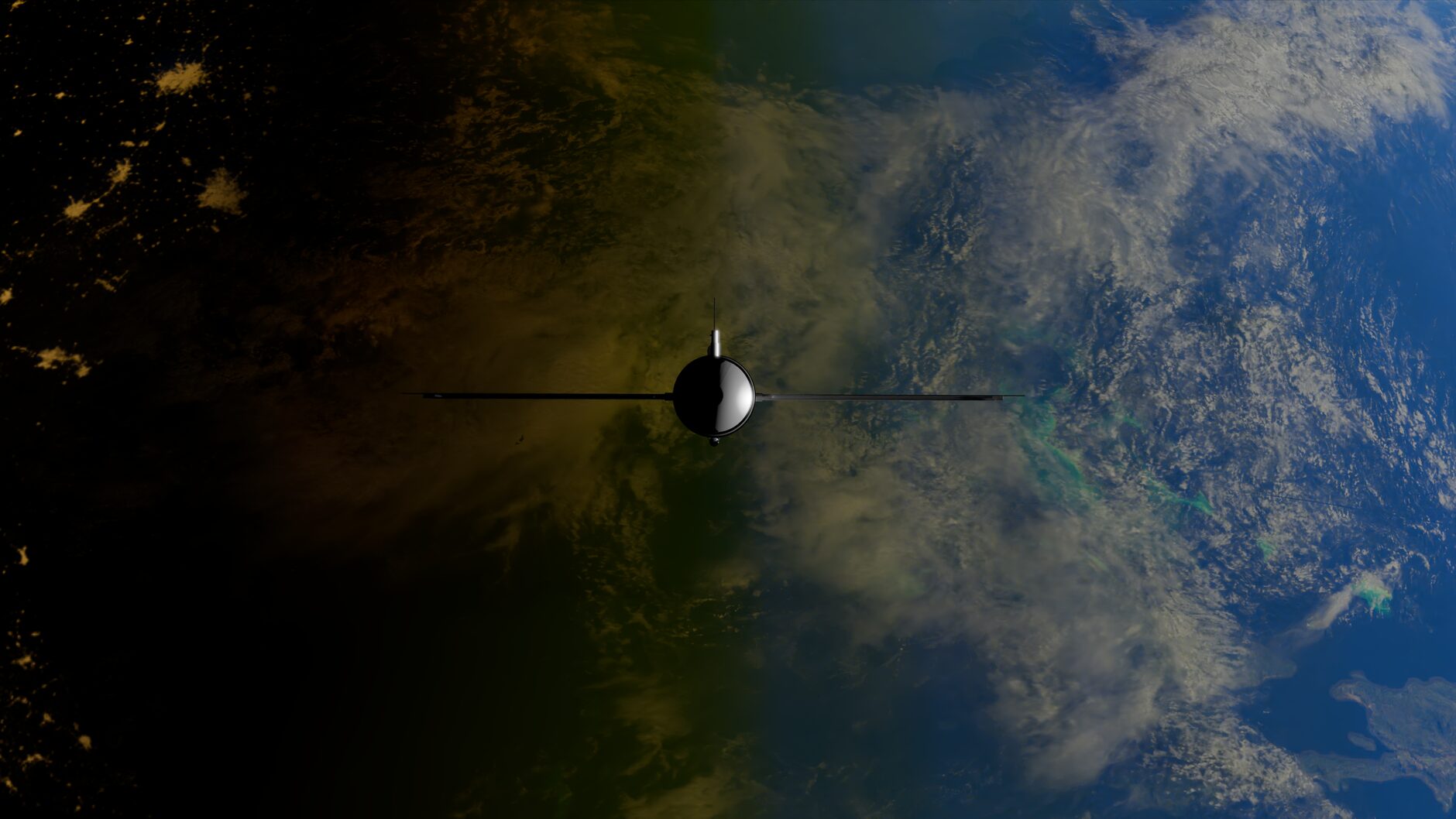
The India-France TRISHNA Satellite Mission aims to revolutionize space exploration. This ambitious project is set to launch in 2027 and promises cutting-edge technology and collaboration between the two nations.
Overview of the TRISHNA Satellite Mission
The India-France TRISHNA Satellite Mission is a collaborative project aimed at enhancing our understanding of the Earth’s surface and climate. Scheduled for launch in 2027, this mission will utilize advanced technology to monitor various environmental factors over time.
The primary goal of the TRISHNA mission is to provide high-resolution data on temperature and land surface characteristics. This information will be invaluable for researchers and policymakers alike, as it will aid in addressing climate change and improving resource management.
Key features of the TRISHNA Satellite Mission include:
- High-Resolution Imaging: The satellite will be equipped with state-of-the-art sensors capable of capturing detailed images of the Earth’s surface.
- Multispectral Data: It will collect data across multiple wavelengths, allowing for a comprehensive analysis of land use and vegetation health.
- Real-Time Monitoring: The mission will enable near real-time observation, facilitating timely responses to environmental changes.
Furthermore, the collaboration between India and France signifies a strengthening of ties in space exploration. By pooling resources and expertise, both nations aim to push the boundaries of what is achievable in satellite technology.
Key Features of the India-France Collaboration
The India-France TRISHNA Satellite Mission represents a significant collaborative effort aimed at advancing our understanding of the Earth’s climate and environment. This partnership integrates the technological strengths of both nations, resulting in a mission that boasts several key features.
- Advanced Sensors: The TRISHNA satellite will be equipped with cutting-edge thermal infrared sensors, enabling it to monitor surface temperatures with unprecedented accuracy.
- High Resolution: With a spatial resolution of less than 50 meters, the satellite is designed to capture detailed images of land surface variations, enhancing data quality for scientific research.
- Data Accessibility: The mission aims to provide open access to its data, facilitating research and collaboration among scientists globally.
- Multispectral Imaging: TRISHNA will utilize multispectral imaging capabilities, allowing for comprehensive analysis of vegetation, water bodies, and urban areas.
- Climate Change Monitoring: A primary goal of the mission is to track and analyze the impacts of climate change, providing vital information for mitigation strategies.
Through the India-France TRISHNA Satellite Mission, both countries are committed to addressing global environmental challenges, making this project a potential benchmark for future international space collaborations.
Instruments on Board the TRISHNA Satellite
The India-France TRISHNA Satellite Mission is equipped with a range of advanced instruments designed to enhance Earth observation capabilities. The satellite primarily aims to monitor terrestrial and aquatic ecosystems, contributing valuable data for environmental management.
Key instruments on board the TRISHNA satellite include:
- Thermal Infrared Sensor (TIRS): This sensor provides high-resolution thermal imagery, enabling the analysis of land surface temperature and heat patterns.
- Multispectral Imaging System (MIS): The multispectral capability allows for capturing data across various wavelengths, facilitating the study of vegetation health and land cover changes.
- Radar Altimeter: This instrument measures the elevation of land and water bodies, contributing to the understanding of hydrological cycles and sea-level changes.
- High-resolution Camera: Equipped with a state-of-the-art optical camera, the TRISHNA satellite can capture detailed images of the Earth’s surface, aiding in urban planning and disaster management.
These instruments collectively empower scientists and researchers to glean insights into climate change, natural resource management, and biodiversity conservation. The India-France TRISHNA Satellite Mission exemplifies a significant step forward in international collaboration for space exploration and environmental monitoring.
Significance of the 2027 Launch
The significance of the 2027 launch of the India-France TRISHNA Satellite Mission cannot be overstated. This mission aims to enhance our understanding of climate change and its impacts, making it a pivotal advancement in space technology and research.
One of the key aspects of the TRISHNA mission is its focus on monitoring land surface temperature and providing vital data to support climate studies. The satellite will equip scientists with the tools necessary to assess the effects of climate variability on agriculture, water resources, and biodiversity.
Moreover, the collaboration between India and France in this endeavor exemplifies international cooperation in addressing global challenges. By pooling resources and expertise, both nations aim to create a comprehensive data network that can significantly contribute to climate resilience efforts.
The TRISHNA Satellite will also facilitate advancements in remote sensing technology, which can be crucial for disaster management and urban planning. As populations grow and environmental conditions change, timely and accurate data will be essential for policy-making and sustainable development.
In conclusion, the launch of the India-France TRISHNA Satellite Mission in 2027 represents a significant leap forward in space exploration and environmental monitoring, positioning both countries as leaders in the fight against climate change.
Challenges and Opportunities Ahead
The India-France TRISHNA Satellite Mission presents both challenges and opportunities as it moves closer to its 2027 launch. One of the primary challenges lies in the integration of advanced technologies and ensuring seamless collaboration between the two nations. With a focus on high-resolution thermal imaging, the mission aims to enhance climate monitoring, yet achieving this requires overcoming technical hurdles related to data transmission and satellite calibration.
Moreover, the mission’s ambitious goals necessitate robust funding and resource allocation. International partnerships could help mitigate financial risks and expand the mission’s reach. Engaging with other space agencies and research institutions may also enhance technological expertise and innovation.
On the opportunity side, the TRISHNA Satellite Mission could significantly contribute to environmental research and disaster management. Its capabilities in monitoring climate change and agricultural patterns may lead to better policy-making and resource management in both countries. Additionally, successful implementation could pave the way for future collaborations in space exploration, enhancing India’s position in the global space community.
- Integration of advanced technologies
- Robust funding and resource allocation
- Engaging with international partners
- Contributing to environmental research
Ultimately, the India-France TRISHNA Satellite Mission holds promise, contingent upon effectively addressing its challenges.
Future of Space Missions in India and France
The future of space missions in India and France is poised for significant advancements, particularly with the upcoming India-France TRISHNA Satellite Mission. This collaboration not only highlights the technological prowess of both nations but also sets the stage for future joint ventures in space exploration.
As countries increasingly recognize the importance of satellite technology, the TRISHNA mission serves as a vital step towards enhanced capabilities in Earth observation and climate monitoring. The successful launch in 2027 is expected to pave the way for further missions that focus on sustainable development and environmental protection.
Looking ahead, both India and France are likely to invest in more robust partnerships that leverage their respective strengths in space technology. Potential areas for cooperation may include:
- Joint research projects aimed at addressing global challenges such as climate change.
- Shared satellite resources to improve data collection and analysis.
- Collaborative training programs to enhance skills in aerospace engineering and satellite operation.
With the India-France TRISHNA Satellite Mission serving as a cornerstone of future endeavors, both nations are on the brink of a new era in space exploration, fostering innovation and scientific discovery that can have far-reaching impacts on a global scale.
Photo by Zelch Csaba on Pexels
Where this came from
You might also like
Apple TV 4K features: The Best Smart Tech Launch in India · HomePod mini release: Is It the Best Smart Speaker Yet? · OPPO Find X10 Features: The Best Specs You Need to Know