
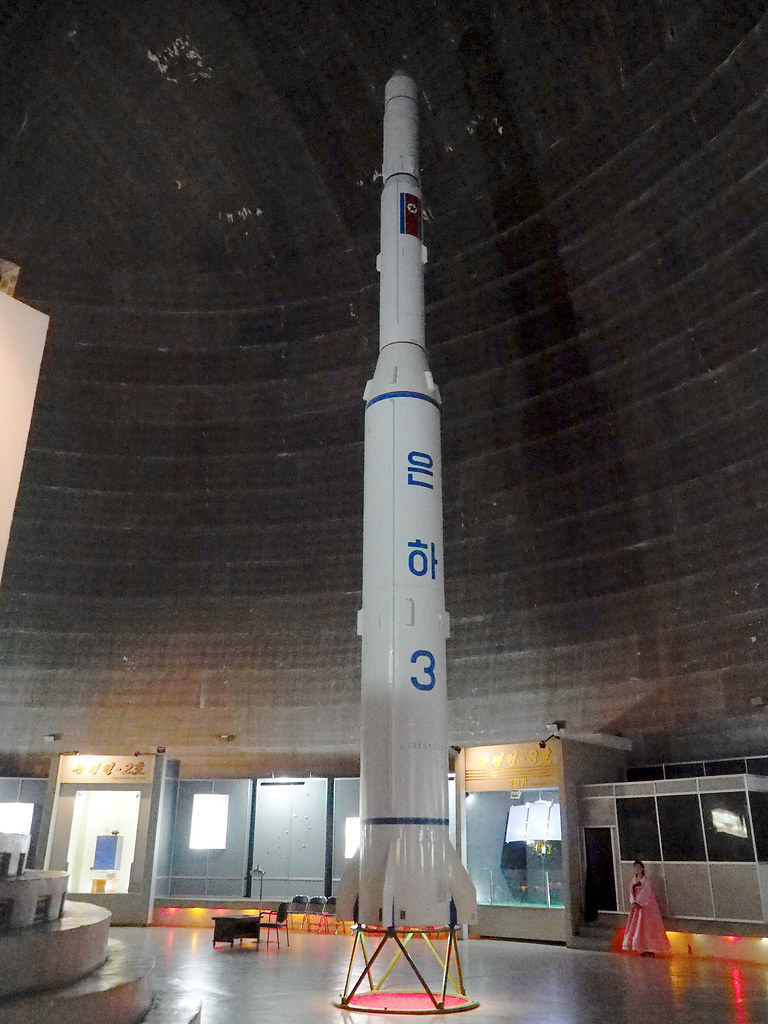
Korea satellite launches are becoming faster and more efficient as Lee hails Nuri’s fifth success. This shift promises to enhance the capabilities of Korea’s space endeavors.
The Significance of Nuri’s Fifth Success
The recent success of Nuri’s fifth launch marks a pivotal moment in Korea’s growing capabilities in satellite technology. This achievement has not only demonstrated the reliability of the Nuri rocket but has also underscored the nation’s commitment to advancing its space program. Lee, a prominent figure in the Korean space industry, emphasized the importance of this milestone for future Korea satellite launches and the potential they hold for both scientific research and commercial applications.
In his statements following the launch, Lee highlighted several key factors that contributed to this success:
- Increased Investment: A significant boost in funding has enabled the development of advanced technologies.
- International Collaboration: Partnerships with global space agencies have facilitated knowledge exchange and innovation.
- Streamlined Processes: Enhanced efficiency in launch procedures has reduced turnaround times for future missions.
Looking ahead, Lee vowed to expedite the launch schedule to enhance Korea’s presence in the global satellite market. With a focus on innovation and collaboration, the success of Nuri’s fifth launch is a promising indicator of the future trajectory of Korea’s satellite endeavors.
Challenges in Satellite Launches
The journey of Korea satellite launches is not without its challenges. As the country strives to establish itself as a significant player in the aerospace industry, various hurdles need to be addressed.
- Technical Complexities: The process of satellite design and launch involves intricate engineering and technical expertise. Every component must function flawlessly to ensure mission success.
- Cost Management: Satellite launches can be prohibitively expensive. Budget constraints often force agencies to prioritize certain projects over others, impacting overall progress.
- Regulatory Hurdles: Navigating the regulatory landscape can be a daunting task. Compliance with international space treaties and national regulations demands careful planning and coordination.
- Market Competition: With increasing interest in space from various countries and private companies, Korea faces stiff competition. Establishing a competitive edge is crucial for the success of future launches.
- Public Perception: Gaining the support of the public and stakeholders is essential. Transparent communication about the benefits of satellite technology can help build trust and support.
Addressing these challenges is vital for Korea’s aspirations in the realm of satellite launches, ensuring a bright future in space exploration.
Future of Korea’s Space Program
The future of Korea’s space program looks promising as advancements in technology and increasing expertise pave the way for more frequent and successful satellite launches. With the recent triumph of Nuri’s fifth launch, officials are optimistic about the potential to enhance Korea’s presence in the global space arena.
As the country aims to establish a robust space infrastructure, several key strategies are being considered:
- Enhanced Collaboration: Strengthening partnerships with international space agencies and private companies to share knowledge and resources.
- Investment in Research: Increasing funding for research and development to innovate new satellite technologies.
- Streamlined Launch Processes: Implementing more efficient procedures to reduce launch preparation time, allowing for quicker access to space.
- Public Engagement: Raising public awareness and interest in space exploration to foster a supportive environment for future missions.
By focusing on these strategies, Korea can capitalize on its recent successes and position itself as a key player in the competitive landscape of satellite launches, ultimately aiming for a sustainable and advanced space program.
Innovations in Rocket Technology
As Korea continues to enhance its capabilities in satellite launches, innovations in rocket technology play a critical role in ensuring success. The recent advancements in propulsion systems, materials, and guidance technology have contributed significantly to the reliability and efficiency of launches.
Key innovations include:
- Advanced Propulsion Systems: New engine designs are being developed that provide higher thrust and efficiency, allowing rockets to carry heavier payloads into orbit.
- Lightweight Materials: The use of composites and lightweight alloys has reduced the overall weight of rockets, improving their performance and reducing launch costs.
- Enhanced Guidance Technology: Improved navigation systems ensure precise placement of satellites in their designated orbits, reducing the risk of failure.
These advancements not only bolster Korea’s position in the global space race but also pave the way for a more robust infrastructure to support future satellite launches. As the nation aims to accelerate its launch schedule, these innovations are essential for meeting the growing demand for Korea satellite launches and maintaining international competitiveness in space exploration.
Lee’s Vision for Faster Launches
In a recent announcement, South Korea’s Minister of Science and ICT, Lee Jong-ho, emphasized the need for quicker satellite launches as a key component of the nation’s space strategy. He hailed the success of the Nuri rocket’s fifth launch, viewing it as a pivotal step towards enhancing Korea’s satellite capabilities.
Lee’s vision revolves around implementing proven strategies that can streamline the launch process. He proposed the establishment of a dedicated task force aimed at reducing launch times and improving overall efficiency. According to Lee, “We must leverage our technological advancements to ensure we remain competitive in the global space arena.”
The Minister outlined several key initiatives:
- Collaboration with Private Sector: Engaging with private companies to foster innovation and reduce costs.
- Enhanced Training Programs: Investing in workforce development to ensure skilled professionals are available for satellite launches.
- Upgraded Infrastructure: Modernizing launch facilities to accommodate more frequent missions.
By embracing these strategies, Lee believes Korea can position itself as a leader in satellite launches, ultimately contributing to advancements in technology and scientific research.
Korea satellite launches have demonstrated a remarkable ability to adapt and innovate in the face of challenges. By implementing quick proven strategies for success, the nation has positioned itself as a leader in space exploration.
By Clay Gilliland via Openverse
Read the original
Nobel Physics Prize 2026: Best Insights from a Proven Winner · Is the iPhone 17 Pro Max the Best Smartphone of 2023? · OnePlus 9 Lite Release: The Best Upcoming Phone You Need
