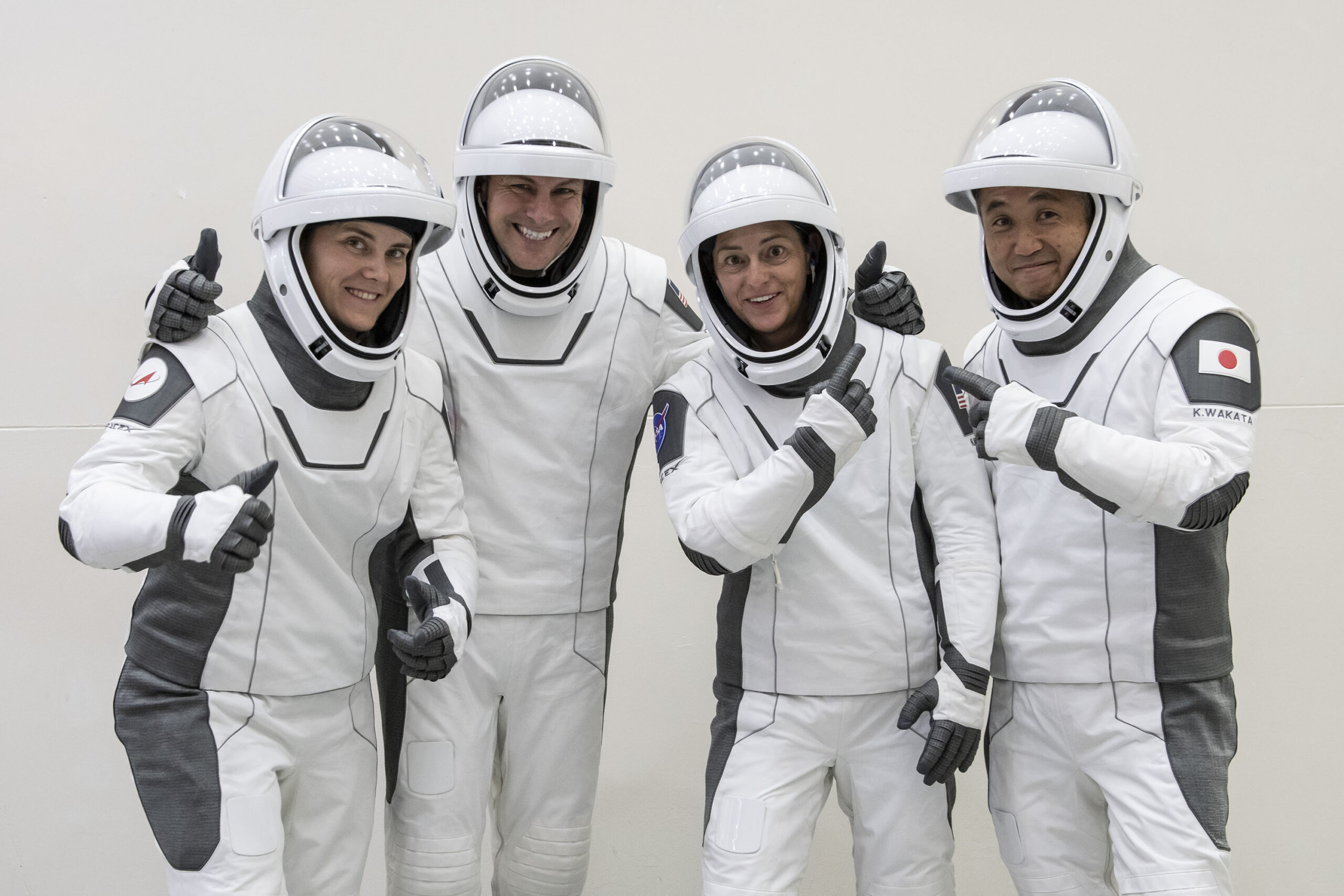
SpaceX Crew 13 launch has successfully sent astronauts to the International Space Station, showcasing advancements in space travel technology.
Overview of SpaceX Crew 13 Mission
The SpaceX Crew 13 launch marks a significant milestone in NASA’s ongoing collaboration with private aerospace companies. This mission, which took place recently, successfully delivered a crew of astronauts to the International Space Station (ISS), further demonstrating the capabilities of SpaceX in crewed spaceflight.
With a carefully selected team of experienced astronauts, the Crew 13 mission aims to conduct a variety of scientific experiments and maintain the ISS’s operational status. The astronauts will engage in a range of activities, including:
- Conducting research on microgravity effects on human health
- Testing new technology designed for future lunar and Mars missions
- Performing routine maintenance and upgrades to the ISS systems
This launch not only showcases SpaceX’s advancements in reusable rocket technology but also highlights the importance of international cooperation in space exploration. As the Crew 13 astronauts embark on their mission, they carry with them a wealth of knowledge and experience that will contribute to future endeavors in space.
Key Objectives of the Crew 13 Launch
The SpaceX Crew 13 launch aims to achieve several key objectives that are crucial for the ongoing missions to the International Space Station (ISS). These objectives are designed to enhance the understanding of long-duration spaceflight and improve the capabilities of human space exploration.
- Transport Crew Safely: One of the primary goals is to ensure the safe transportation of astronauts to the ISS, allowing for a seamless transition from Earth to orbit.
- Conduct Scientific Research: The Crew 13 mission will facilitate a range of scientific experiments in microgravity, contributing valuable data that can be applied to future space endeavors.
- Test New Technologies: The launch will also serve as a platform to evaluate new technologies that could be critical for upcoming long-duration missions, including those to Mars.
- Enhance International Collaboration: By involving astronauts from various countries, the mission emphasizes the importance of international partnerships in space exploration.
Overall, the SpaceX Crew 13 launch is set to be a significant milestone in advancing human presence in space, building on the successes of previous missions.
Meet the Astronauts on Board
The SpaceX Crew 13 launch brought together a diverse group of astronauts, each bringing unique skills and experiences to the mission. This crew is set to play a crucial role in advancing research and technology aboard the International Space Station (ISS).
- Thomas Marshburn – A seasoned astronaut and physician, Marshburn has flown on two previous space missions. He will serve as the commander for Crew 13, ensuring the safety and success of the mission.
- Mark T. Vande Hei – With extensive experience in both aviation and space, Vande Hei is known for his work in scientific research. He will be a flight engineer during this mission.
- Kjell N. Nilsen – A newcomer to space, Nilsen is an accomplished engineer and former NASA scientist. His fresh perspective will be invaluable for the crew.
- Akihiko Hoshide – Representing Japan, Hoshide is a veteran astronaut with multiple ISS missions under his belt. His expertise will enhance international collaboration on the station.
Together, these astronauts exemplify the spirit of exploration that defines the SpaceX Crew 13 launch.
Technological Innovations in SpaceX Rockets
The SpaceX Crew 13 launch represents a significant leap forward in the realm of space travel, showcasing a plethora of technological innovations that have redefined the capabilities of modern rockets.
Among the most notable advancements are:
- Reusability: SpaceX has perfected the art of reusing rocket components, dramatically reducing the cost of space missions and increasing launch frequency.
- Improved Falcon 9 Design: The Falcon 9 rocket, which carried the Crew 13 astronauts, features enhanced engines and an upgraded avionics system that ensures precise navigation and safety.
- Increased Payload Capacity: The latest modifications allow the Falcon 9 to transport larger payloads, making it more versatile for various missions.
- Advanced Life Support Systems: Innovations in life support technology ensure the health and safety of astronauts during their mission to the International Space Station (ISS).
These advancements not only facilitate the SpaceX Crew 13 launch but also lay the groundwork for future explorations, paving the way for more ambitious missions to the Moon, Mars, and beyond.
Previous Missions to the ISS
The journey to the International Space Station (ISS) has seen numerous successful missions, each contributing to advancements in space exploration. The SpaceX Crew 13 launch builds on the legacy of these earlier missions, showcasing how far human spaceflight has come. Here are some notable missions that paved the way:
- Expedition 1 (2000): The first crew to live aboard the ISS for an extended period, setting the foundation for future missions.
- STS-133 (2011): This Space Shuttle mission delivered the Permanent Multipurpose Module, enhancing the station’s capabilities.
- Expedition 56 (2018): Focused on scientific research, this mission demonstrated the importance of international collaboration in space.
- Demo-2 (2020): SpaceX’s first crewed flight, marking a new era in commercial space travel and the return of crewed spaceflights from U.S. soil.
Each of these missions has contributed vital knowledge and experience, setting the stage for the upcoming SpaceX Crew 13 launch, which promises to further enhance our understanding of living and working in space.
Impact of SpaceX on Space Travel
The impact of SpaceX on space travel has been profound, particularly with missions like the SpaceX Crew 13 launch. This mission has showcased the company’s commitment to making space more accessible and sustainable. By reducing costs and increasing reliability, SpaceX has paved the way for new opportunities in space exploration.
One significant aspect of SpaceX’s influence is its partnership with NASA. This collaboration has not only enabled the transport of astronauts to the International Space Station (ISS) but has also fostered innovation in spacecraft design and technology. The successful execution of the Crew 13 mission exemplifies this synergy, highlighting how public-private partnerships can accelerate advancements in space travel.
Additionally, SpaceX’s reusable rocket technology has revolutionized the space industry. By landing and reusing boosters, SpaceX has significantly lowered the cost per launch, making regular trips to the ISS more feasible. This has encouraged other companies to invest in space travel, resulting in a thriving commercial space sector.
As SpaceX continues to innovate and expand its capabilities, the future of space travel looks promising, with missions like Crew 13 leading the way.
Future Plans for SpaceX and NASA
As SpaceX continues to push the boundaries of space exploration, the future plans for both SpaceX and NASA are becoming increasingly intertwined. Following the successful SpaceX Crew 13 launch, both organizations are looking at ways to enhance their collaborative efforts in human spaceflight.
One major area of focus is the upcoming Artemis program, which aims to return humans to the Moon by 2024. SpaceX has been contracted to develop the lunar lander, demonstrating their commitment to pioneering new frontiers beyond low Earth orbit. This partnership marks a significant evolution in NASA’s approach to space exploration, utilizing private companies for essential missions.
Additionally, SpaceX is planning to expand its Starship program, which could eventually facilitate missions to Mars and beyond. The ambitious timeline for these missions reflects a growing confidence in the capabilities of SpaceX technology.
In the coming years, we can expect more manned missions to the International Space Station (ISS) and beyond, as SpaceX and NASA continue to explore new opportunities for scientific research and international collaboration in space.
By SpaceX via Openverse