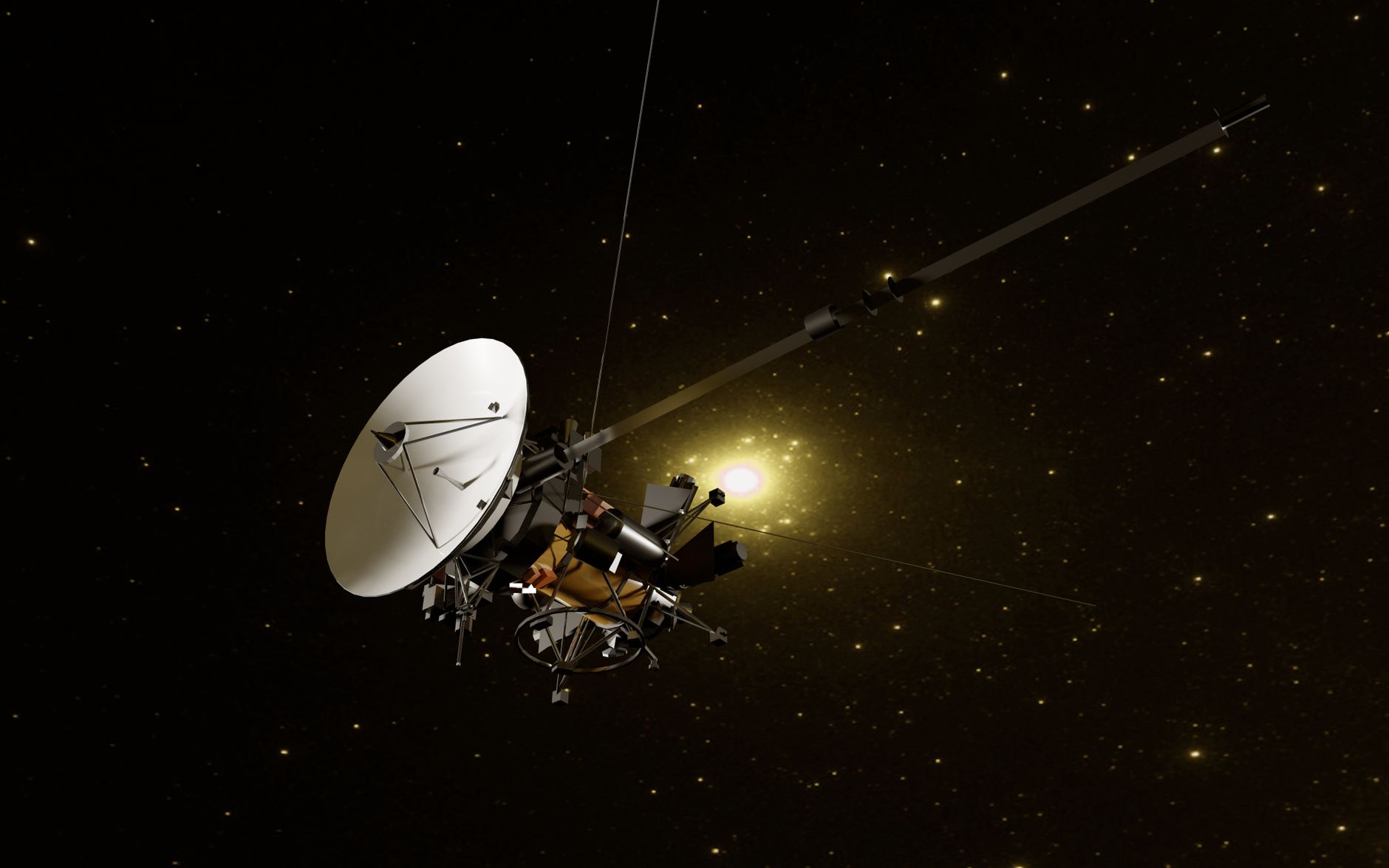
The computing power satellite has been launched from Jiuquan, China, marking a significant advancement in space technology. This satellite aims to enhance computational capabilities in orbit.
Overview of the Computing Power Satellite
The recent launch of the computing power satellite from Jiuquan, China, marks a significant milestone in space technology. This innovative satellite is designed to enhance data processing capabilities in orbit, offering a new dimension to how information is managed in space.
The computing power satellite aims to address the growing demand for real-time data analysis and processing, particularly for applications in Earth observation, telecommunications, and scientific research. With its advanced architecture, this satellite is expected to perform complex computations that were previously reliant on ground-based systems.
Key features of the computing power satellite include:
- High-performance computing: Equipped with state-of-the-art processors that allow for rapid data processing.
- Low-latency communication: Facilitating quicker transmission of data back to Earth.
- Scalability: Designed to accommodate future upgrades in technology.
Overall, the computing power satellite is seen as a game changer, potentially revolutionizing how we utilize satellite technology in various industries.
Importance of Satellite Technology
Satellite technology plays a crucial role in modern communication, navigation, and data processing. With advancements in computing power satellite systems, the ability to analyze and transmit data has improved significantly.
These satellites are essential for various applications, including:
- Global Communication: They facilitate instant connectivity across vast distances, making international communication seamless.
- Weather Forecasting: Satellites equipped with advanced computing capabilities can provide accurate weather data, aiding in disaster preparedness and response.
- Scientific Research: They support numerous scientific missions, from climate studies to astronomical observations, enhancing our understanding of the universe.
- Military Applications: Enhanced computing power allows for improved surveillance and reconnaissance, which is vital for national security.
As technology continues to evolve, the importance of computing power satellites will only increase, enabling more sophisticated applications that can benefit society as a whole.
Launch Details from Jiuquan
The recent launch of the computing power satellite from Jiuquan has garnered significant attention in the tech community. This mission, aimed at enhancing the capabilities of satellite technology, took place on a clear morning, showcasing a successful liftoff.
Key details surrounding the launch include:
- Date: The satellite was launched on October 10, 2023.
- Launch Vehicle: A Long March 4B rocket was utilized for this mission, known for its reliability.
- Mission Objectives: The primary goal is to improve data processing and transmission capabilities, providing a significant boost to various applications.
- Launch Site: The Jiuquan Satellite Launch Center in China, a prominent location for space exploration.
This computing power satellite is expected to revolutionize data handling in orbit, making it a pivotal addition to China’s satellite fleet. As the mission progresses, industry experts eagerly anticipate the practical applications of this cutting-edge technology.
Future Implications for Space Computing
The successful launch of the computing power satellite marks a significant milestone in the realm of space technology. As advancements in satellite systems continue to unfold, the implications for future computing capabilities are profound.
One notable aspect of this satellite is its potential to enhance data processing in orbit. This could lead to:
- Real-time data analysis: Enabling quicker decision-making for various applications, from climate monitoring to disaster response.
- Improved connectivity: Providing better communication systems for remote areas and enhancing global internet access.
- Resource efficiency: Allowing for more efficient use of computational resources by shifting workloads from Earth to space.
As the computing power satellite demonstrates its capacity, future missions could leverage this technology to revolutionize how we approach challenges on Earth and beyond. The integration of such satellites into existing frameworks will likely pave the way for new innovations, making them a cornerstone of future space exploration and technology development.
Comparing Satellite Launches in 2023
As the year 2023 progresses, the landscape of satellite launches has become increasingly competitive, with numerous countries and private companies venturing into space. Among these, the computing power satellite launched from Jiuquan, China, stands out due to its advanced capabilities and potential implications for various industries.
To understand the significance of this launch, it is essential to compare it to other notable satellite deployments within the year:
- Starlink 5: Launched by SpaceX, this batch enhances global internet connectivity but focuses primarily on communication.
- NASA’s Earth Observing Satellite: Aimed at climate monitoring and research, it offers vital data for environmental science.
- India’s GISAT: This satellite provides real-time imaging of the Indian subcontinent, improving weather forecasting and disaster management.
- Computing Power Satellite: Unlike others, it emphasizes processing capabilities in space, potentially revolutionizing on-board data analysis.
With each launch, the race to harness and improve satellite technology continues, and the computing power satellite may very well be a game changer in this ongoing competition.
Photo by Paul Seling on Pexels