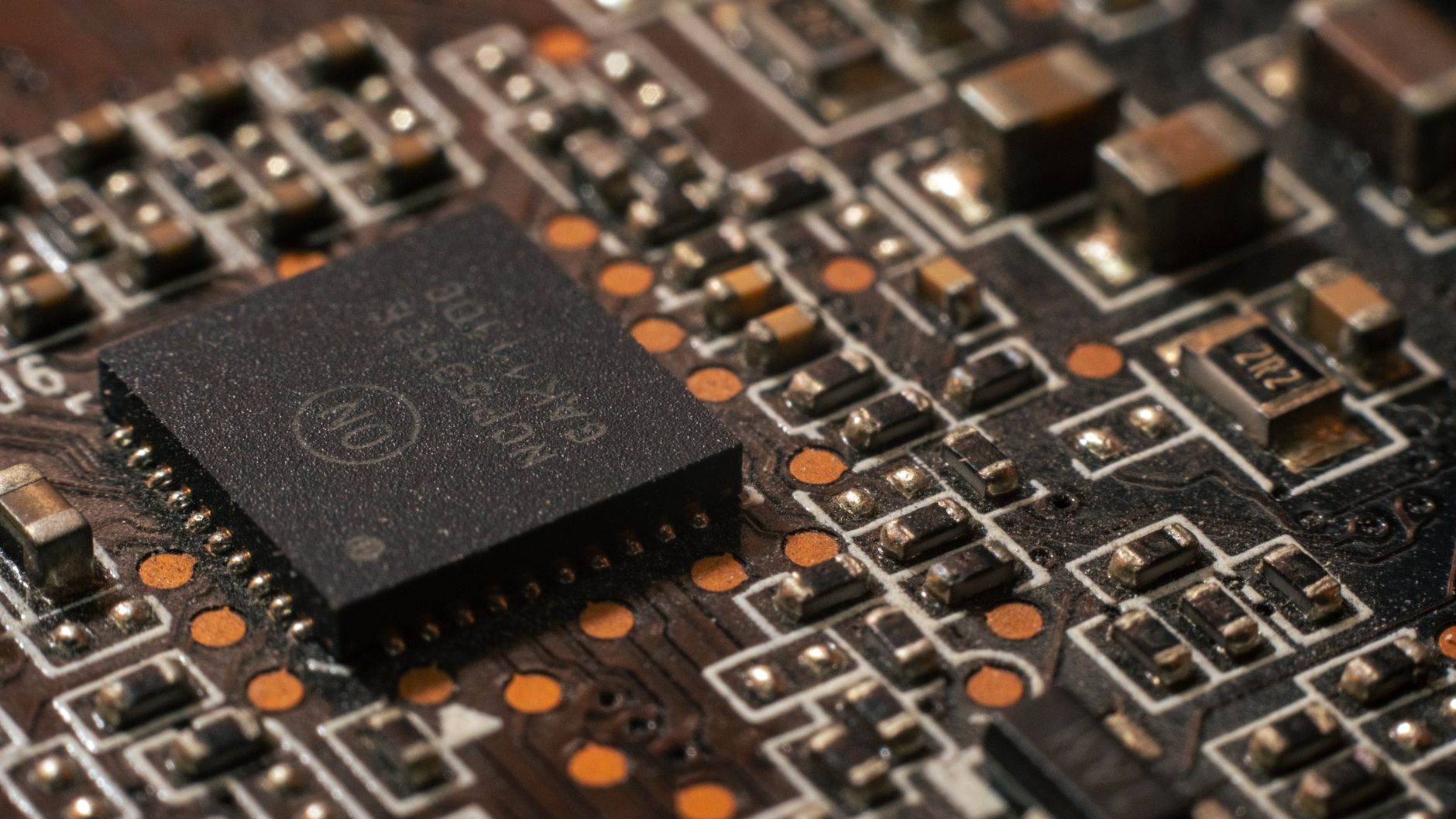
AI chip stocks are currently facing uncertainty following the recent $550 billion deal between the US and Japan. Investors are keen to understand the implications of this massive agreement.
Overview of the $550 Billion Deal
In a landmark agreement valued at $550 billion, the United States and Japan are poised to reshape the landscape of the semiconductor industry, leaving AI chip stocks in a state of uncertainty. This deal aims to bolster collaboration in technology and manufacturing, emphasizing the importance of artificial intelligence in future innovations.
The implications of this agreement are significant for investors in AI chip stocks, as it could lead to increased competition and innovation within the sector. With both countries striving to enhance their semiconductor capabilities, many market analysts are watching closely to see how this will influence supply chains and pricing structures.
Key elements of the deal include:
- Investment in Research: Funding for AI research and development to spur breakthroughs in chip technology.
- Strengthened Partnerships: Collaborations between U.S. and Japanese companies to share expertise and resources.
- Supply Chain Resilience: Initiatives aimed at mitigating risks associated with global supply chain disruptions.
As these developments unfold, investors are urged to remain vigilant and consider the potential impact on their portfolios, particularly those heavily invested in AI chip stocks, as the market adjusts to these new dynamics.
Impact on the AI Chip Market
The recent $550 billion deal between the United States and Japan is causing significant ripples in the AI chip market. Investors are left speculating how this monumental agreement will reshape the industry landscape. Major players in the AI chip stocks sector are closely monitoring the implications of increased collaboration between these two technological powerhouses.
Experts believe that this partnership could lead to accelerated advancements in AI technology, thereby boosting the demand for innovative chip designs. With Japan’s expertise in manufacturing and the U.S.’s leading technology firms, the convergence of these markets is likely to create new opportunities.
However, the uncertainty surrounding regulatory changes and competitive dynamics poses challenges for investors. Key considerations include:
- Innovation Pace: How quickly can companies adapt to new technological demands?
- Market Share: Which firms will emerge as leaders in this transformed landscape?
- Supply Chain Stability: Will existing supply chains hold up under increased pressure?
As the dust settles from this landmark deal, stakeholders in AI chip stocks must prepare for a volatile market. The next few months will be crucial in determining the trajectory of investments in this rapidly evolving sector.
Investor Reactions to AI Chip Stocks
Investor reactions to the recent developments surrounding AI chip stocks have been a mix of enthusiasm and caution. Following the announcement of the $550 billion deal between the US and Japan, many analysts have pointed out both the potential benefits and risks associated with this significant investment.
Many investors are optimistic, citing the deal as a catalyst for growth in the AI sector. They believe that increased funding will lead to innovations in chip technology, ultimately enhancing the capabilities of artificial intelligence applications. This optimism has led to a surge in stock prices for several key players in the AI chip market.
However, not all reactions have been positive. Some investors express concern about the market’s volatility and the uncertainty surrounding future regulations. The competitive landscape is evolving rapidly, and companies that fail to adapt to new technologies may struggle.
Analysts have also noted the importance of diversification in investment portfolios. As AI chip stocks become more prominent, investors are advised to consider other tech sectors that may benefit from advancements in AI.
In summary, while the $550 billion deal has ignited interest in AI chip stocks, the market remains unpredictable, leading to a cautious but engaged investor sentiment.
Future Predictions for AI Investments
As the landscape of technology continues to evolve, predictions regarding AI chip stocks are becoming increasingly vital for investors. Analysts suggest that the $550 billion deal between the US and Japan may set the foundation for a booming market in artificial intelligence hardware. With significant investments directed towards AI advancements, the demand for sophisticated chips is expected to surge.
Industry experts predict that companies specializing in AI chip production will see substantial growth over the next few years. This growth is driven by various sectors, including automotive, healthcare, and cloud computing, all of which are integrating AI technologies into their operations. Furthermore, the increasing reliance on machine learning and data processing capabilities is likely to propel these stocks upward.
However, investors should remain cautious. Market volatility and technological advancements can create unpredictable shifts in stock performance. It is essential to monitor developments closely, particularly as new competitors emerge and existing companies innovate their products. As the AI chip market matures, strategic investments in promising firms could yield significant returns, but thorough research and risk assessment will be crucial in navigating this dynamic landscape.
Key Players in the AI Chip Industry
The AI chip industry has become a focal point for investors looking to capitalize on emerging technologies. Several key players are shaping the landscape, from established giants to innovative startups.
- NVIDIA: Renowned for its graphics processing units (GPUs), NVIDIA has expanded its portfolio to cater to the growing demand for AI chips, positioning itself as a leader in the sector.
- Intel: As a long-standing figure in the semiconductor industry, Intel is investing heavily in AI technologies and developing chips designed specifically for artificial intelligence applications.
- AMD: Advanced Micro Devices is gaining traction with its AI-focused chip offerings, aiming to compete directly with NVIDIA and Intel in this lucrative market.
- Qualcomm: Known for its mobile processors, Qualcomm is venturing into AI chip production, highlighting its commitment to next-generation technologies.
- Startups: Numerous startups are emerging, focusing on specialized AI chip designs that promise efficiency and performance, capturing the attention of venture capitalists.
As the AI chip stocks continue to gain momentum, understanding the competitive landscape is crucial for investors eager to make informed decisions amidst the evolving market dynamics.
Understanding Market Volatility
The recent $550 billion deal between the US and Japan has introduced a wave of uncertainty in the market, particularly surrounding AI chip stocks. Investors are grappling with the implications of this monumental agreement as it reshapes the competitive landscape of the semiconductor industry. Market volatility is often driven by various factors, including geopolitical tensions, supply chain disruptions, and technological advancements, all of which are in play now.
As the deal unfolds, stock prices of key players in the AI chip sector have shown significant fluctuations. This unpredictability can lead to both opportunities and risks for investors. To better navigate this turbulence, experts recommend:
- Staying informed about global economic trends and their potential impact on the tech sector.
- Diversifying portfolios to mitigate risks associated with a single industry.
- Monitoring the performance of AI chip stocks closely to make timely decisions.
- Considering long-term prospects rather than reacting to short-term market movements.
Ultimately, understanding the nuances of market volatility will be crucial for those looking to invest in AI chip stocks amid the evolving landscape.
Conclusion: Navigating Uncertainty
As the dust settles from the monumental $550 billion deal between the US and Japan, investors are left grappling with the future of AI chip stocks. The uncertainty surrounding the implications of this deal has sent ripples through the market, prompting many to reassess their strategies.
In this volatile environment, navigating investments in AI chip stocks requires careful consideration. Several factors contribute to this uncertainty:
- Global Supply Chains: Disruptions in manufacturing and logistics can impact the availability and pricing of AI chips.
- Technological Advancements: Rapid developments in AI technology may outpace current hardware capabilities, leading to shifts in market demand.
- Regulatory Changes: Potential new regulations on technology exports could affect companies’ ability to compete internationally.
Amidst these challenges, some analysts remain optimistic about the long-term growth potential of AI chip stocks. They emphasize that as AI applications continue to expand across various sectors, the demand for advanced chips is likely to rise. However, investors must remain vigilant and adaptable to the changing landscape.
Ultimately, those looking to invest in AI chip stocks should weigh both the risks and opportunities, as the market continues to evolve in response to global events.
Photo by Ivan Chumak on Pexels